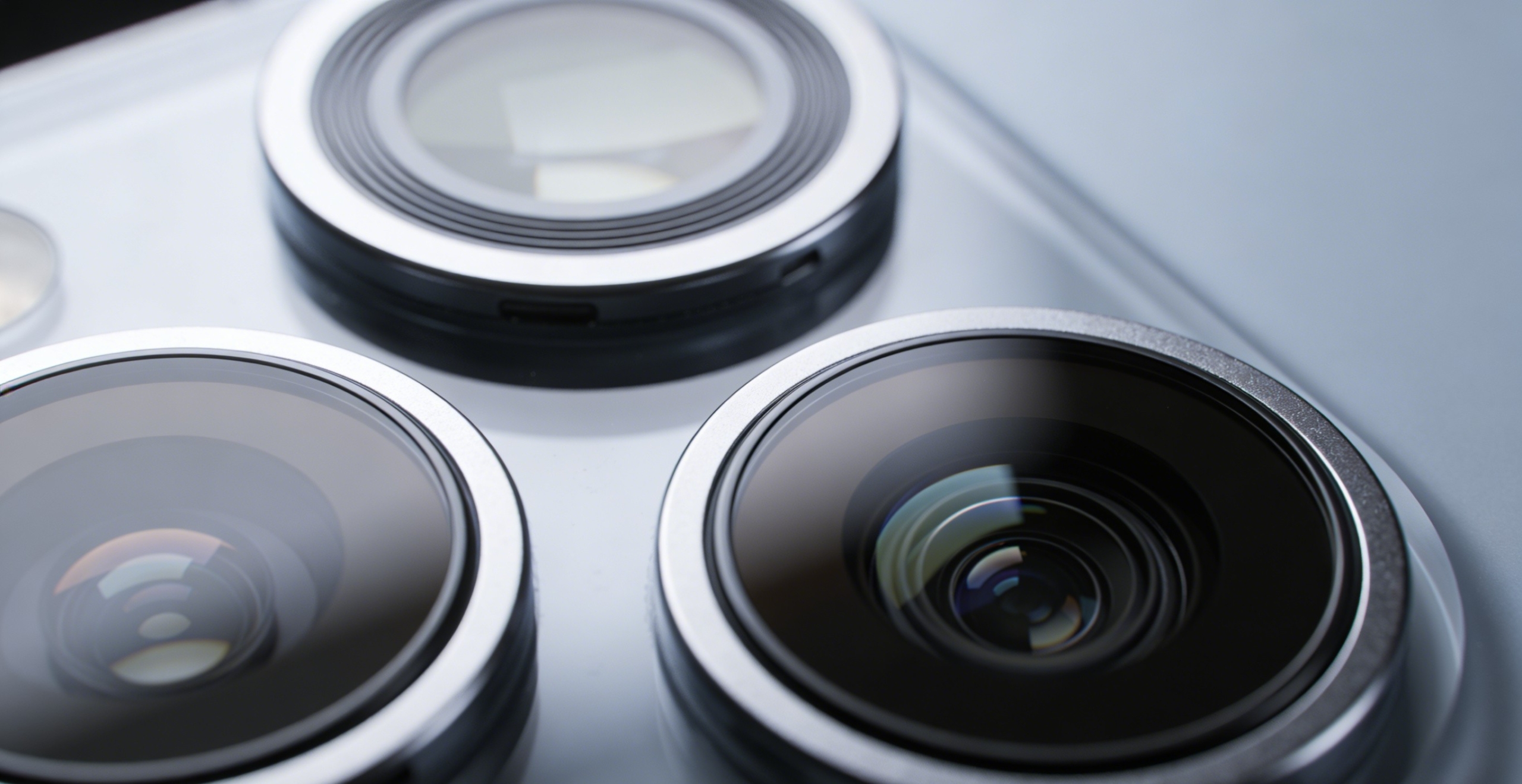
Optical glass filters are used across countless industries to improve performance, accuracy, and reliability. Their unique ability to control light—by isolating specific wavelengths, reducing glare, and enhancing clarity—makes them essential in many advanced technologies. From medical equipment to automotive systems, industrial automation to consumer electronics, these filters serve as the unsung heroes that enable precision and efficiency in modern manufacturing and technology.
Optical glass filters are designed to manipulate light in targeted ways, addressing the unique needs of each industry. Whether it’s isolating critical wavelengths for accurate measurements or reducing unwanted light interference, their versatility makes them a cornerstone of modern industrial operations. Below are the most common applications across key industries, highlighting how these filters drive performance and innovation.
1. Medical Equipment
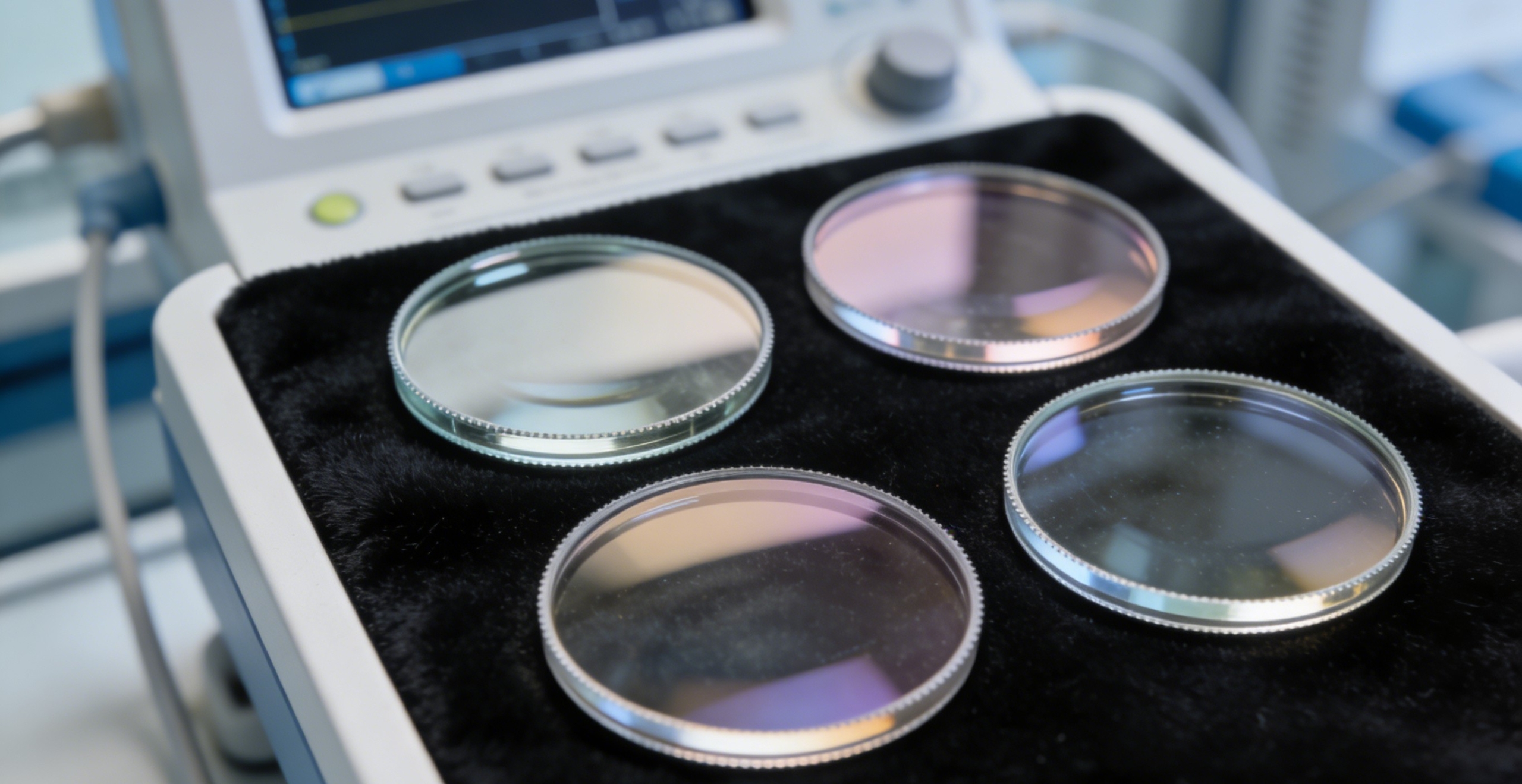
In medical equipment, optical glass filters play a vital role in diagnostic imaging, fluorescence detection, and light-based therapies. They isolate specific wavelengths of light to ensure precise measurements and clear imaging results—critical for accurate diagnoses and treatment. For example, in diagnostic imaging devices, optical filters help isolate the wavelengths needed for X-rays, ultrasound, and fluorescence detection, eliminating background noise and ensuring medical professionals get reliable data. They also support light-based therapies by filtering out harmful or irrelevant light, protecting both equipment and patients while maintaining treatment precision.
2. Automotive Systems
Automotive systems rely heavily on optical glass filters to enhance safety and performance. These filters are integrated into cameras, LiDAR (Light Detection and Ranging), and driver-assistance sensors (ADAS) to improve visibility, reduce glare, and maintain performance in varying lighting conditions. Whether it’s filtering out harsh sunlight for in-car cameras or optimizing light transmission for LiDAR systems, optical glass filters ensure automotive sensors operate reliably—even in bright daylight, rain, or low-light environments. This contributes to safer driving and more efficient vehicle automation.
3. Industrial Automation
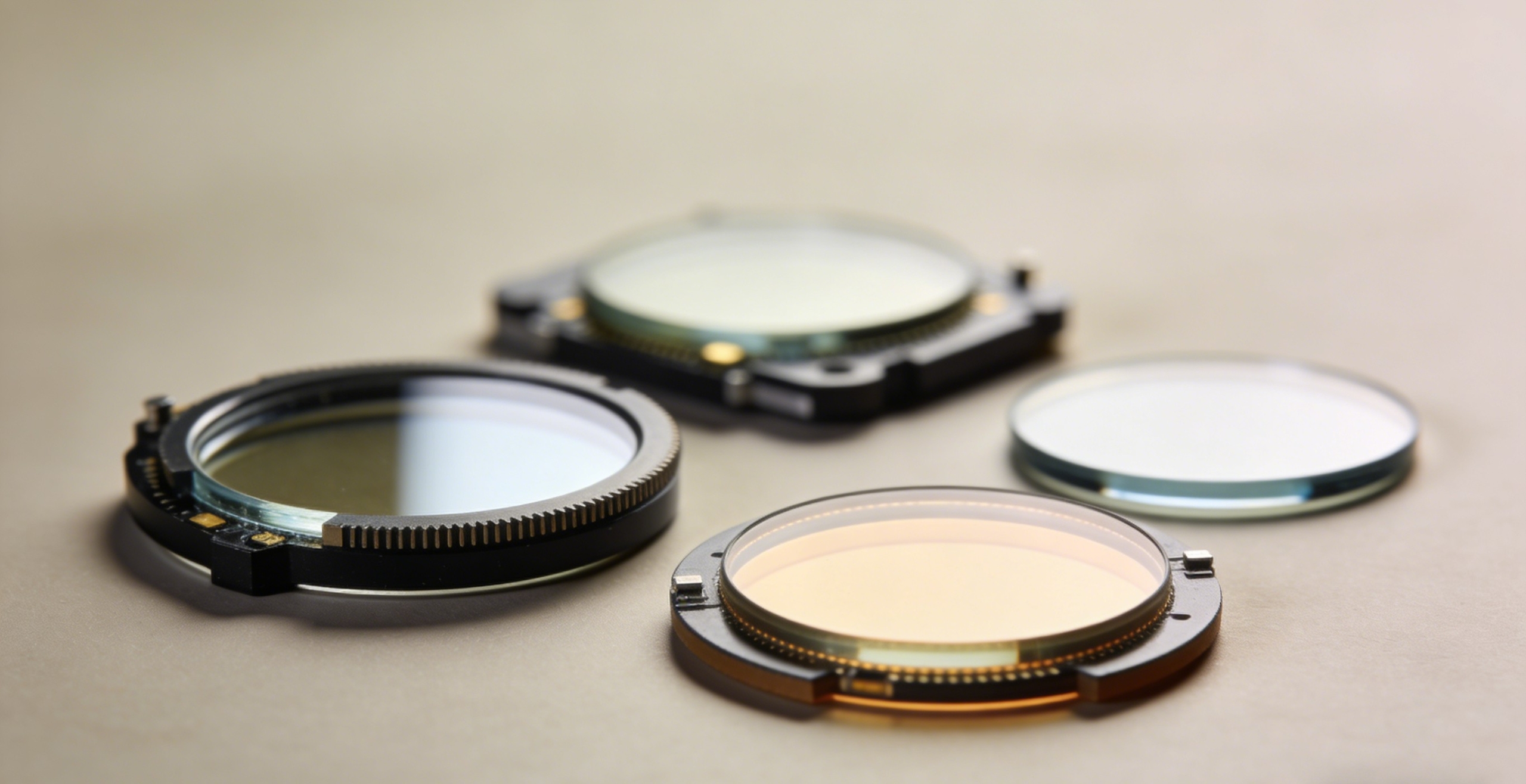
Industrial automation depends on optical glass filters for machine vision, quality inspection, and precision sensing. In manufacturing lines, these filters are used in vision systems to detect defects, measure components, and ensure product quality. They filter out unwanted light interference from factory lighting, dust, or environmental factors, allowing automation systems to operate with high accuracy. This reduces errors in production and improves overall operational efficiency, making them indispensable in modern manufacturing facilities.
4. Consumer Electronics
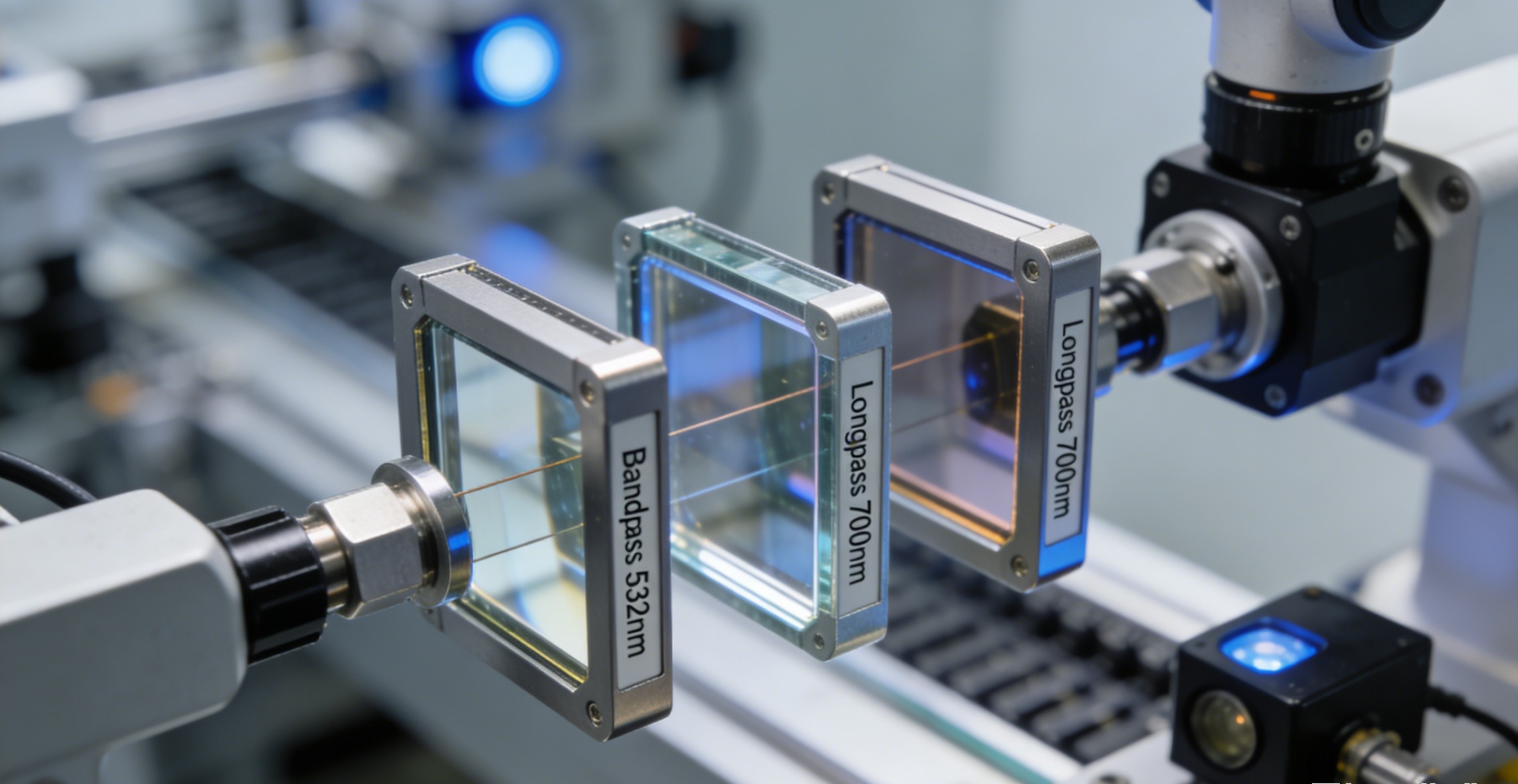
Consumer electronics such as cameras, smartphones, and projectors rely on optical glass filters to enhance user experience. In cameras and smartphones, filters improve image quality by isolating specific wavelengths, reducing glare, and boosting color accuracy. For projectors, they optimize light transmission to deliver clear, bright images even in well-lit rooms. These filters are small in size but powerful, ensuring consumer devices deliver consistent, high-quality performance.
From medical devices to automotive systems, industrial automation to consumer electronics, optical glass filters continue to enable innovation and high performance in modern technology. Their ability to control light precisely makes them a fundamental component across industries, supporting progress and reliability in every application.